
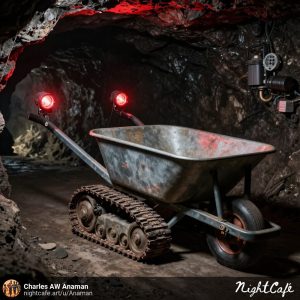
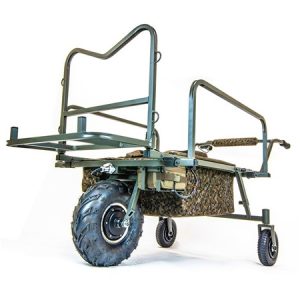
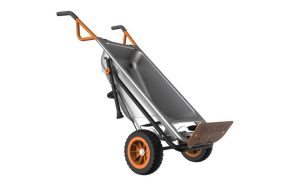
Innovation is often imagined as something entirely new—complex systems, cutting-edge AI, or breakthroughs that disrupt entire industries. But in practice, some of the most meaningful progress comes from improving the tools we already trust.
Take the wheelbarrow.
Its core design has remained largely unchanged for generations because it works. It is simple, durable, and efficient. But that doesn’t mean it’s finished.
Small, thoughtful modifications can transform it into something far more powerful:
- Adjusted load-balancing geometry to reduce strain and improve stability in deeper excavation or vertical construction environments
- Hybrid human-electric assist using compact lithium iron phosphate (LiFePO₄) batteries to reduce fatigue and extend working capacity
- Integrated LED lighting for visibility in low-light or underground conditions
- Embedded IoT systems—such as LoRa-enabled ESP32-C6 chips—to monitor worker location, environmental conditions, and equipment usage in real time
Now imagine that same philosophy applied underground in mining environments.
A “simple” tool becomes part of a broader safety and communication system:
- Ground sensors detect early signs of tremors or instability
- Data is transmitted locally through low-power LoRa networks, even where traditional infrastructure fails
- Workers receive alerts instantly within the danger radius
- Equipment itself becomes a node in a resilient, decentralized communication mesh
None of these ideas require reinventing physics or waiting for distant technological breakthroughs. They are incremental improvements built on principles that have existed for decades—mechanical leverage, distributed communication, and energy storage.
The real innovation lies in integration.
By revisiting proven designs and combining them with modern materials, renewable energy systems, and low-power electronics, we can create tools that:
- Reduce physical strain
- Improve safety outcomes
- Operate reliably in resource-constrained environments
- Remain repairable and maintainable over time
In industries like mining—where conditions are harsh, infrastructure is limited, and risks are high—this kind of grounded innovation matters more than novelty.
The future isn’t always about replacing old tools.
Sometimes, it’s about respecting them enough to make them better.